Medical Practice · TMJ & Orofacial Pain
Myofascial Pain Therapy & Exercises
A comprehensive exercise program combining myofunctional therapy, myofascial therapy, and isotonic and isometric exercises for TMJ, facial pain, and sleep-disordered breathing.
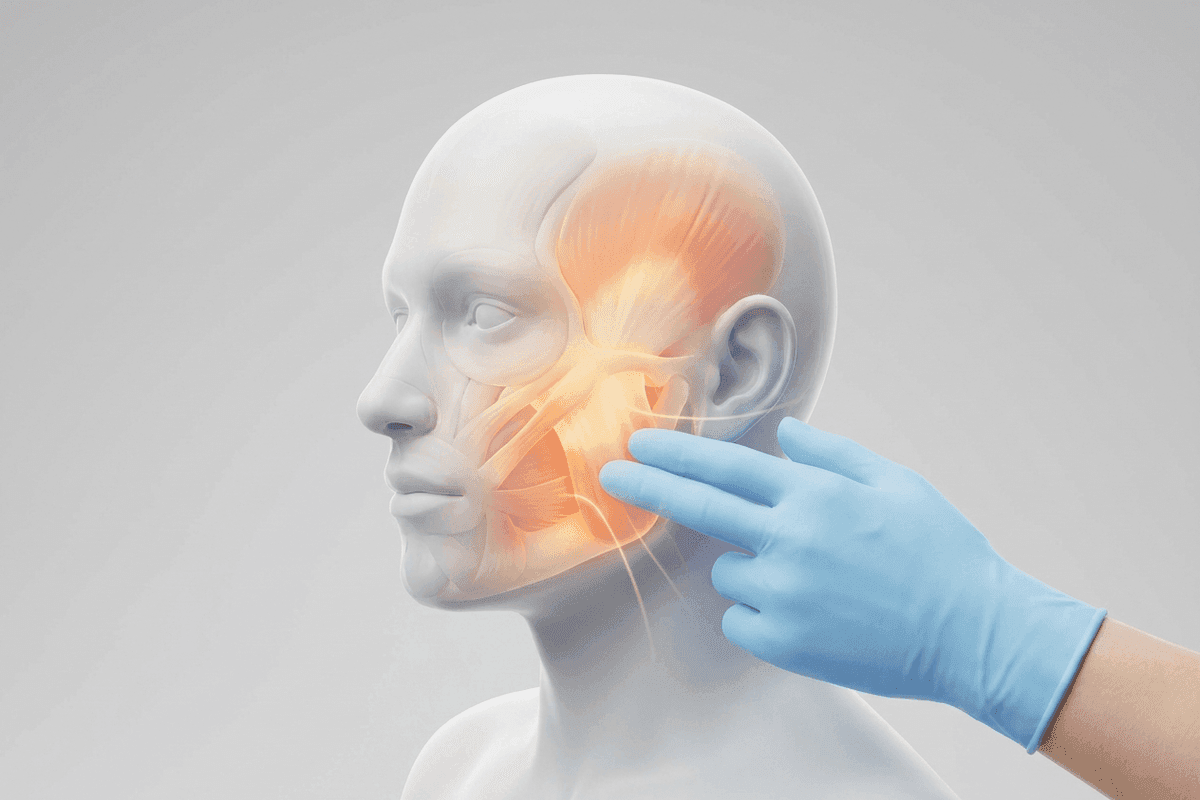
Poor muscle function, muscle tension, and chronic muscle pain are often significant contributors to temporomandibular joint (TMJ) disorders, facial pain, and obstructive sleep apnea. While treatment typically focuses on managing symptoms, there are few comprehensive therapy programs specifically designed to improve the function of the muscles involved in these conditions. Drawing on more than a decade of experience in orofacial pain, oral medicine, sleep disorders, and the myofunctional complex, Dr. Hsu has developed a comprehensive exercise program that combines myofunctional therapy, myofascial therapy, and isotonic and isometric exercises to address a variety of orofacial conditions. During your therapy appointments, our clinical team provides hands-on instruction, monitors your progress, and ensures you are performing each exercise correctly so you can achieve the greatest therapeutic benefit. Myofunctional therapy: A specialized program of exercises that trains the muscles of the tongue, lips, cheeks, and face to work together properly. These muscles play an important role in breathing, swallowing, speaking, chewing, and maintaining a healthy jaw and airway. When they are not functioning correctly, they can contribute to TMJ pain and muscle tension, teeth grinding or clenching, mouth breathing, snoring and sleep-disordered breathing, tongue thrusting, difficulty swallowing, and poor tongue posture. The goal is to retrain these muscles through a series of simple, repetitive exercises performed both in the office and at home — over time, healthy muscle patterns become automatic. Myofunctional therapy is often recommended alongside TMJ splint therapy, lingual frenectomy, sleep apnea treatment, and oral surgery. For patients with a tongue-tie it is especially important: the exercises strengthen the tongue, improve mobility, and teach the tongue to rest against the roof of the mouth after the release procedure. Without therapy, the tongue may continue its restricted movement patterns, limiting the benefits of treatment. Myofascial therapy: Similar to physical therapy for the muscles and connective tissue (fascia) of the face, jaw, head, and neck. Gentle manual techniques release tight muscles, decrease trigger points, improve circulation, and restore normal movement. It is commonly recommended for TMJ disorders, facial pain, jaw muscle tension, headaches and migraines, neck pain, limited jaw opening, and muscle soreness from clenching or grinding. In our office we combine two types of exercise for our orofacial pain and TMD patients — isometric and isotonic — the same approaches used in TMJ rehabilitation, myofunctional therapy, and physical therapy to strengthen muscles, improve coordination, and restore normal jaw function. Isometric exercises (static strengthening): the muscle contracts without movement. These strengthen muscles without placing excessive stress on the TMJ, improve stability and endurance, reduce muscle guarding and pain, and promote neuromuscular control. Because they are gentle on an irritated joint, rehabilitation programs often start here. Isotonic exercises (movement strengthening): the muscle contracts while moving through a range of motion. These build strength through movement, increase jaw mobility, restore coordination and function, and improve endurance for everyday activities like chewing and speaking. They are introduced as pain decreases and muscle control improves. The connection to TMJ and sleep: your tongue is one of the strongest and most influential muscles in your mouth. Ideally it rests gently against the roof of the mouth, supporting your jaw and helping keep your airway open. If the tongue sits low, pushes against the teeth, or cannot move properly due to a tongue-tie or muscle dysfunction, it can contribute to jaw strain, bite problems, mouth breathing, snoring, and obstructive sleep apnea. Myofascial therapy helps restore proper tongue posture and muscle function, allowing your jaw and airway to work more naturally. What to expect: myofascial therapy is not a quick fix — it is a training program. Just like physical therapy after an injury, the best results come from consistent practice and participation. Most patients begin noticing improvements in muscle awareness and function within a few weeks, with continued progress over several months. The goal is lasting change to muscle habits and better overall oral function.
Also in tmj & orofacial pain
Related services
TMJ Treatment
Comprehensive evaluation and treatment for temporomandibular joint disorders. Most cases are managed without surgery.
Orofacial Pain
Chronic facial pain syndromes: when the cause is dental, when it is not, and how to tell the difference.
Trigger Point Injections
Targeted injections to release muscle tension around the jaw, head, and neck.
PRF / PRP Injections
Platelet-rich fibrin or plasma injections to support healing and tissue regeneration.
Arthrocentesis
A minimally invasive washout of the jaw joint to relieve TMJ pain, locking, and limited opening — optionally enhanced with PRF.
Neuropathic Pain
Evaluation and personalized management of chronic neuropathic (nerve) pain affecting the face and jaw.
Custom-Fit Orthotic Device
A precision-fitted TMJ orthotic that repositions the jaw to relieve joint and muscle strain from clenching and grinding.